“What did they think?” Excerpts from a Recent Interview

I (Thomas) was recently contacted and interviewed by a local crime fiction critic based in Rochester, NY, who has a particular interest in small town settings. The following excerpt is from our conversation over coffee. It focused on my most recent novel The Search for Julia Garcia, its setting, and readers’ feedback.
[…]
C: Your new novel The Search for Julia Garcia has been out for a few months now. Has there been any feedback from your readers? What did they think?
Griffin: Thank you for asking. Yes, there has been feedback, some from far away, but mostly from readers living in upstate New York, which isn’t surprising since the Finger Lakes Region provides the background for the story.
C: What makes them special?
Griffin: They recognized existing places, roads, and buildings. Of course, it is not too difficult to identify the Julia’s college, but one reader let me know that she identified the house in which Julia rented an apartment. Another reader identified the restaurant on Seneca Lake where her friends had lunch after the party. A third reader was sure that he knew the house where a character was killed.
C: And these readers got it right?
Giffin: Not in every case, but in most cases the readers correctly identified the buildings that served as backgrounds for my story. It does not make a difference as far as the plot is concerned but it matters for the presentation of reality. The difference between the fictional world of the narrative and the real world in which we live becomes smaller. Real buildings and real places provide a transition that gives the reader the sense that the characters of the novel are real.
C: Interesting. You mean that you use real buildings to trick your readers into believing that the story they read is literally true.
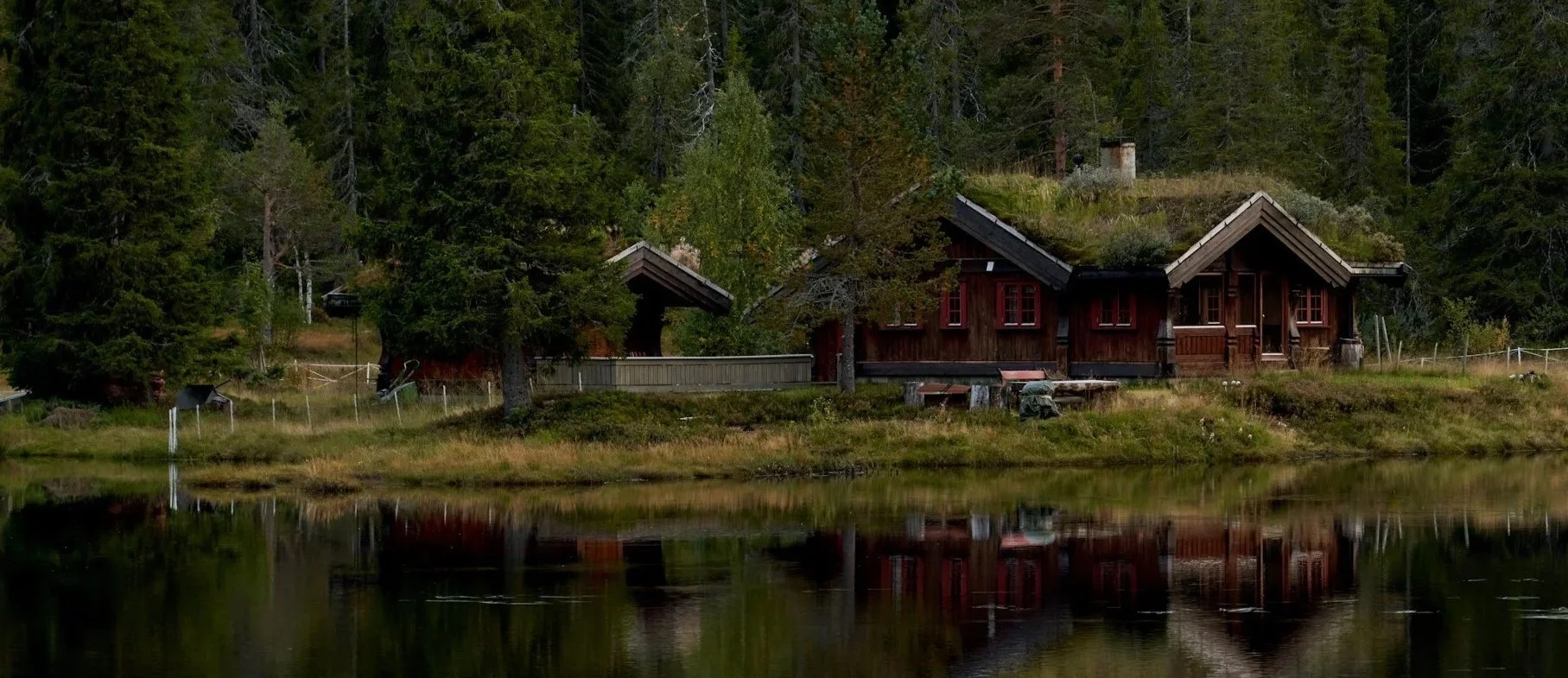
Griffin: Well, not literally. I believe that my readers can distinguish between history and fiction. They know that The Search for Julia Garcia is fiction and will not try to look the hero up in the New York phone book. But the use of existing places like Seneca Lake and existing buildings like the hotel on the lake where Julia and her new boyfriend stay gives the story a sense of realism that increases the “reality” of the characters. When you realize that the cottage on the lake where the party takes place does actually exist, you are more likely to accept that the party actually happened.
C: Is this true for all buildings? How about the cottage of the boyfriend’s family near State College, PA, or the factory near Cortland where the cartel plans to produce drugs?
Griffin: Good question. No, not all places have a correspondence in empirical reality. In some instances, the building is purely fictional, but even in these instances it is important that the location and the shape of the building are believable. The family of Julia’s rich boyfriend, for instance, has to live at a posh suburb of Philadelphia.
C: What about the more unusual moments of the plot, for instance the murder of the new chemist of the cartel in a peaceful rural neighborhood?
Giffin: In fact, this is a good example for making an unlikely event more believable. A brutal gang murder is not a likely event in a rural upstate neighborhood, but once the reader recognizes the existing building the event becomes more acceptable.
C: Do you say then that your readers can draw a detailed map of the area where the story unfolds?
Griffin: Yes, I think that the reader can draw a map of the places, but it’s an uneven map where some places can be identified as real, while others cannot. While a search party would find the cottage where the wild party took place, you would look in vain for the actual lake cabin of Frank’s family.
C: Does this make a difference?
Griffin: The possibility to identify places, I think, increases the reliability of the narrator. For a mystery that is important.
C: Do you believe that these rules apply primarily to a novel that covers a more specific space, a neighborhood?

Griffin: It may be more important for a reader who is familiar with the neighborhood, for me it is of equal importance in a novel where the action is far away. In A Cold Case, for instance, the initiated reader will recognize details of the Frankfurt railway station.
C: Yes, I noticed that you have a weak spot for railway stations, while airports rarely get much attention. Why is this?
Griffin: Railway stations have an aura that airports completely lack. They are much older and have an interesting history.
C: That’s interesting. Are you familiar with Walter Benjamin?
Griffin: I have heard of him, why?
C: He would agree with you with regard to railway stations. By the way, he wrote a smart essay on mysteries that you would enjoy.
[…]
